
 Car Excess Insurance
 Short Term Motor Insurance
 Scratch and Dent Insurance
 Tyre & Alloy Wheel Insurance
 Cycle Insurance
 Pothole Insurance


Why EVs Depreciate So Quickly – And Why GAP Insurance Matters On These Vehicles
21 January 2026
| 6 minutes
Electric vehicles (EVs) are no longer a niche choice. With government incentives, expanding charging networks, and rapid improvements in battery technology, more drivers than ever are choosing electric.
But while EVs shine in running costs and environmental benefits, there’s a downside: rapid depreciation. In many cases, EVs are losing value faster than comparable petrol or diesel vehicles, and that creates a growing financial risk for owners.
This is where GAP insurance becomes not just useful, but essential.
Understanding Depreciation: Why EVs Are Different
All cars depreciate, but EVs often do so at an accelerated rate. There are several reasons for this:
1. Fast-Moving Technology
Battery technology is evolving quickly. Newer models offer:
- Longer range
- Faster charging
- Improved efficiency
As a result, older EVs can feel outdated much sooner than internal combustion cars, pushing their resale values down.
2. Battery Health Concerns
Unlike traditional engines, battery degradation is still poorly understood by many buyers. Even when warranties are in place, uncertainty around long-term battery performance can:
- Reduce buyer confidence
- Lower trade-in offers
- Increase depreciation
3. Incentives Distort the Used Market
Government grants and manufacturer incentives reduce the upfront cost of new EVs — but they also depress used values.
If a brand-new EV can be bought with thousands off the list price, a nearly new model becomes much less attractive on the second-hand market.
4. High Model Turnover
Manufacturers are releasing refreshed EV models more frequently than traditional vehicles. This shortens product life cycles and pushes older versions down the value curve faster.
The Financial Risk Most EV Owners Don’t Expect
Many EVs are purchased using:
- PCP (Personal Contract Purchase)
- HP (Hire Purchase)
- Leasing arrangements
In the early years of ownership, it’s common for the outstanding finance balance to be higher than the car’s market value — a situation known as negative equity. If the vehicle is written off or stolen and not recovered. Your comprehensive motor insurance will only pay the current market value, not what you still owe.
That shortfall can be significant. Looking at our own data of EVs that have had to claim on their GAP insurance, we can see huge depreciation for some car models. For example:
A 2022 BMW IX, the customer bought it £86,000 and unfortunately it was written off in 2025.
Their comprehensive car insurer only paid out the market value of £34,429. We paid out £51,570 – that vehicle saw a 59% depreciation in only 3 years.
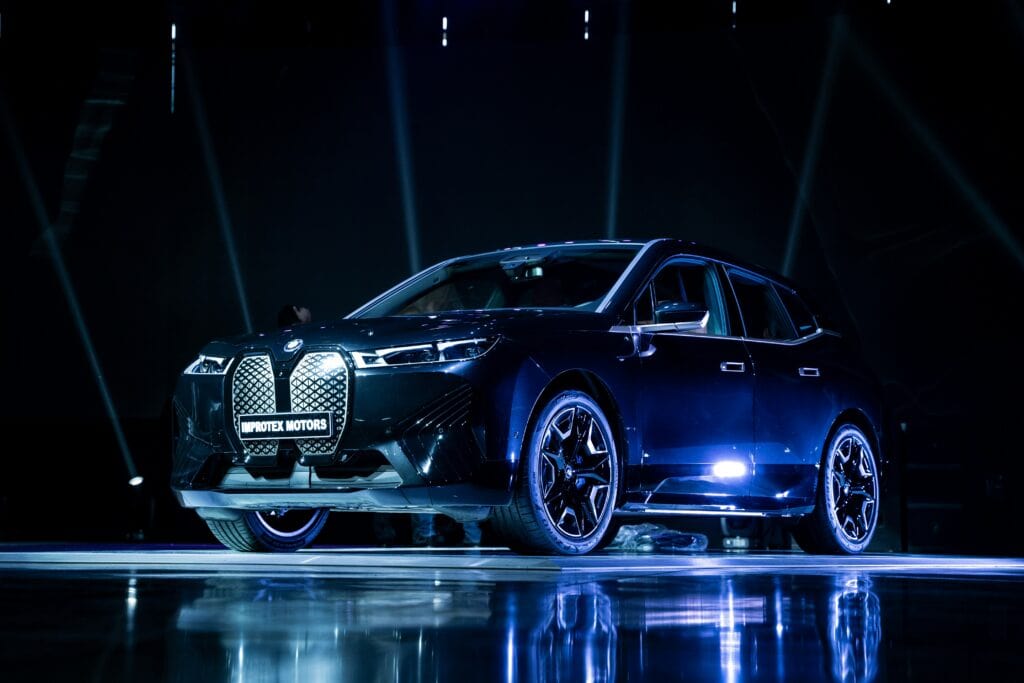
Photo by Akram Huseyn on Unsplash
How GAP Insurance Protects EV Owners
GAP (Guaranteed Asset Protection) insurance covers the difference between your insurer’s payout and either the original invoice price, or the outstanding finance balance (depending on the type of GAP policy). If you are unsure about any of our policy types, our GAP Insurance page is a good place to start, or feel free to call one of our customer support team to answer any of your questions.
For EV drivers, this protection is especially valuable due to faster depreciation.
Key Benefits of GAP Insurance for EVs
- Protects against rapid value drops
- Prevents unexpected out-of-pocket losses
- Provides financial certainty in the event of a total loss
- Complements PCP and HP finance agreements
EV Depreciation: The Bigger Picture
EV ownership still makes sense for many drivers — especially when factoring in lower running costs, reduced maintenance and tax advantages.
But depreciation is a real and growing factor that can’t be ignored. As the EV market matures, the gap between what you paid and what your insurer pays out can widen faster than expected.
Electric vehicles represent the future of motoring, but they also come with new financial dynamics. Rapid depreciation, evolving technology, and market incentives mean EV owners face a higher risk of negative equity — particularly in the first few years.
GAP insurance isn’t about pessimism; it’s about protection. For many EV drivers, it can be the difference between a smooth recovery and a costly financial shock.