
 Car Excess Insurance
 Short Term Motor Insurance
 Scratch and Dent Insurance
 Tyre & Alloy Wheel Insurance
 Cycle Insurance
 Pothole Insurance


Why UK Cars Are Staying on the Road Longer
28 January 2026
| 7 minutes
The average age of cars on UK roads has risen to 9.5 years, up from 6.7 years in 2005, representing a 42% increase, according to the Society of Motor Manufacturers and Traders (SMMT).
Forecasts from the Autotrader marketplace also suggest that by 2028, more than six million vehicles will be over 15 years old, nearly doubling the 3.5 million cars of this age on the roads in 2019.
Our Founder and MD, Simon England, has shared his thoughts on why the average age of cars is rising and the various factors that are influencing how long people keep their vehicles.
“Britain’s car fleet is ageing, and it isn’t happening by chance,” Simon says. “Policy, the cost of living, and consumer caution have all shaped how long people keep their cars.”
“The government arguably made EV ownership less attractive just as it hoped more drivers would switch to electric. In April 2025, electric cars became subject to road tax, and the so-called luxury car tax threshold was extended to EVs, pushing ownership costs higher for many drivers.”
Simon points out that this compounds a long-held concern around depreciation. “Historically, EVs have depreciated faster than their petrol and diesel counterparts. When you combine that with higher upfront costs and new tax burdens, it’s not surprising that drivers are keeping their current cars rather than taking on more cost and risk.”
Research from ALA’s analysis of the UK’s most popular models registered between 2014 and 2015 suggests many could remain in regular use into the early 2030s, based on typical UK driving habits and average lifespan mileage.
The Ford Fiesta has the longest projected lifespan at around 146,000 miles, with the Vauxhall Corsa and Astra expected to exceed 140,000 miles. At an average annual mileage of 7,500 miles, vehicles from this period could realistically remain on the road until 2032 and 2034.

The broader economic picture is also influencing decisions. “Cars are more expensive, and people are no better off, despite efforts to adjust. Vehicles over £40,000 face higher tax, and comprehensive insurance has been unusually high, although that has eased slightly,” Simon notes.
“In over three decades of working in the industry, when there’s an economic squeeze, people cut back on luxuries, including new cars. If an older car still does the job and mileage is generally low, many people see little reason to change, including companies with cars that still run well.”

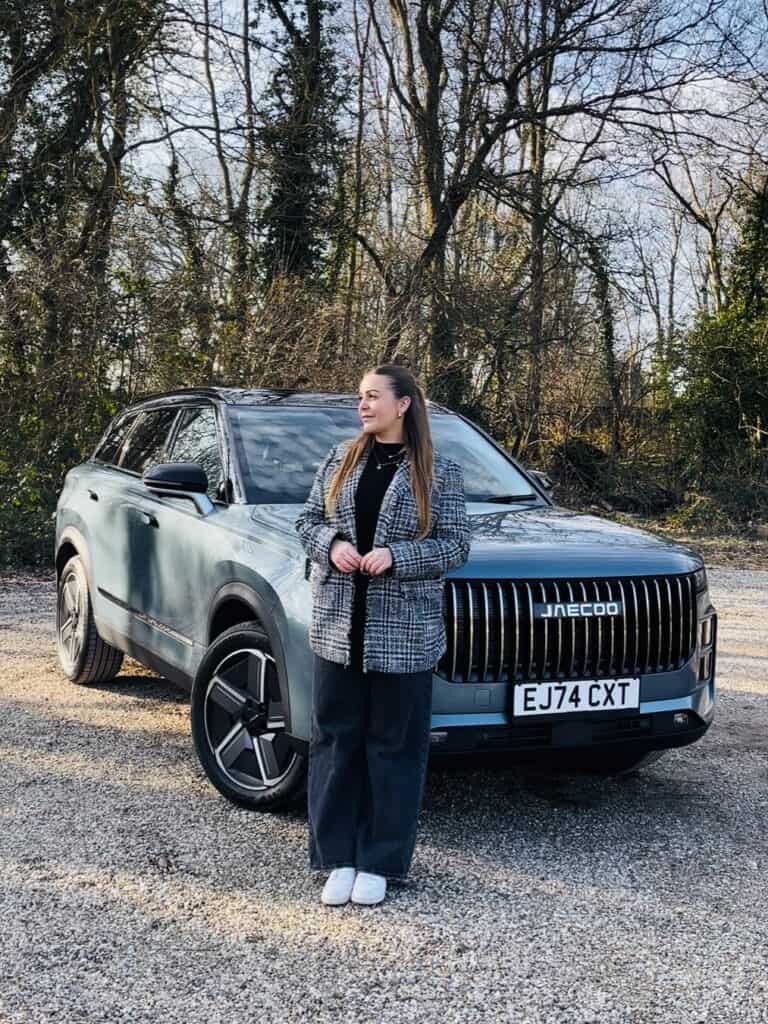
Natisha Chatten, the automotive expert behind YouTube channel Auto Social UK, offers insight into how modern vehicle technology is shaping ownership habits.
“The increasing age of cars on UK roads is less about falling build quality and more about how attitudes to ownership have changed,” Natisha says.
“Modern cars aren’t built worse, if anything, they’re generally better engineered than ever, but they are far more complex,” she mentions. “With advanced safety systems, infotainment and driver-assistance technology, there are simply more components and variables, which inevitably increases the risk and cost when things go wrong.”
Natisha adds, “The real challenge comes once newer cars fall out of warranty, where repairs can be expensive and far less straightforward than on older, more mechanical vehicles. This is especially true for EVs.”
Keeping cars for longer changes how owners think about protection. Simon says, “This makes having the right kind of cover more important than ever. It’s often the more practical option financially, and a way to manage risk rather than replace a vehicle every couple of years.”
There is also a misconception that newer automatically means safer financially. “Older cars can go wrong, of course, but when they do, fixing a newer model is often far more expensive. The technology is more complex, parts cost more, and repairs can take longer,” he argues.“Because of this, it can actually feel safer to stick with a slightly older car,” he adds. “Brands like Kia, Genesis, Peugeot and Hyundai also offer extended warranties up to seven or eight years, which gives owners reassurance to keep their cars for longer than they might otherwise.”
Notes
Commentary from our Founder and MD of ALA Insurance, Simon England and Natisha Chatten from one of our YouTube partnership channels Auto Social UK.
SMMT’s research on The Average Age of Cars on UK Roads.
Autotrader’s 15 million ten year old cars on Britain’s roads by 2027.
Methodology
ALA Insurance examined industry data to estimate the typical mileage a vehicle can be expected to cover over its lifetime. Vehicles may exceed this with proper care or fall short due to neglect. Data was sourced from VehicleScore.co.uk, reflecting standard UK driving patterns and average usage.